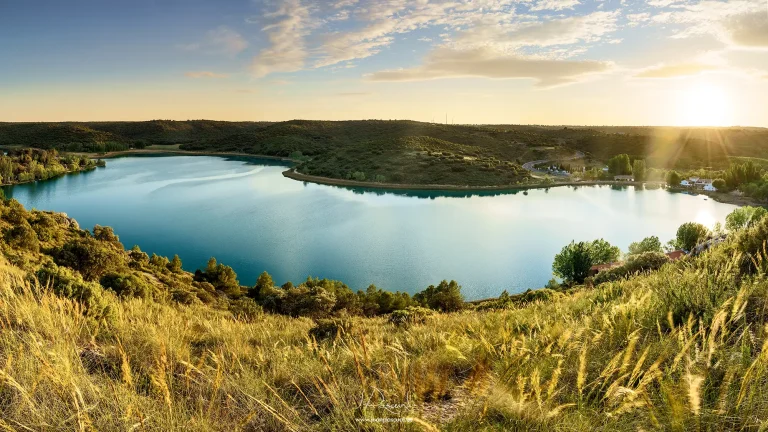
Photographing the landscapes of La Mancha has been, for me, an exercise in sensitivity rather than spectacle. Unlike destinations where visual impact is immediate, landscape photography in La Mancha requires a slower, more attentive way of seeing. In Castilla-La Mancha, the landscape is defined by a quiet harmony—open horizons, subtle tones, and a repetition of forms that, when carefully observed, create deeply evocative imagery.
As a landscape photographer, one of the main challenges of the Manchego landscape lies in its apparent simplicity. The horizons are vast and unobstructed, the lines soft, and the compositional elements—windmills, rural paths, agricultural fields—appear with a certain austerity. This demands precision in composition. Every small adjustment in framing has a significant impact, as there are no distractions—everything contributes to the visual balance.
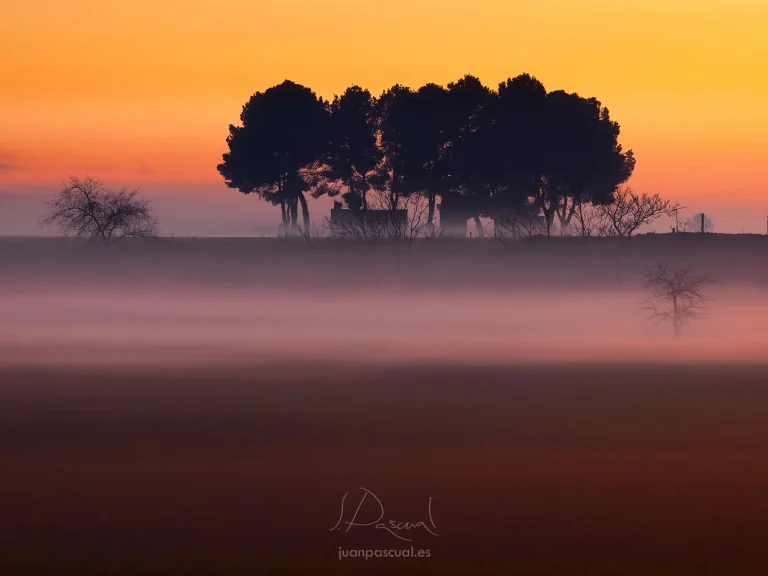
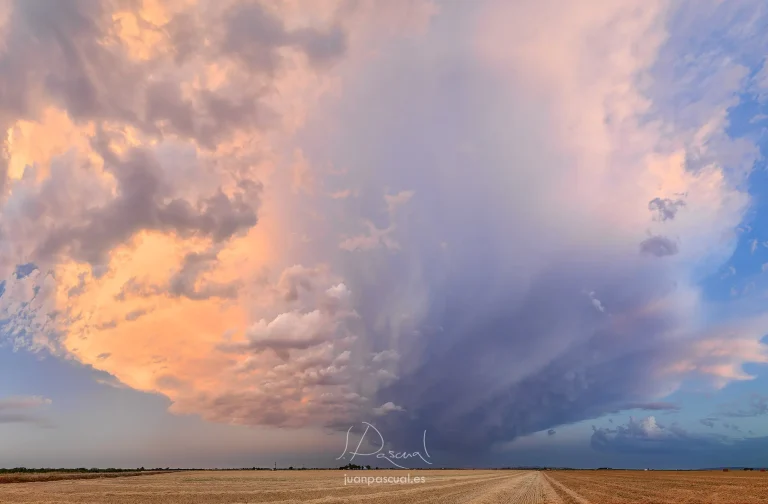
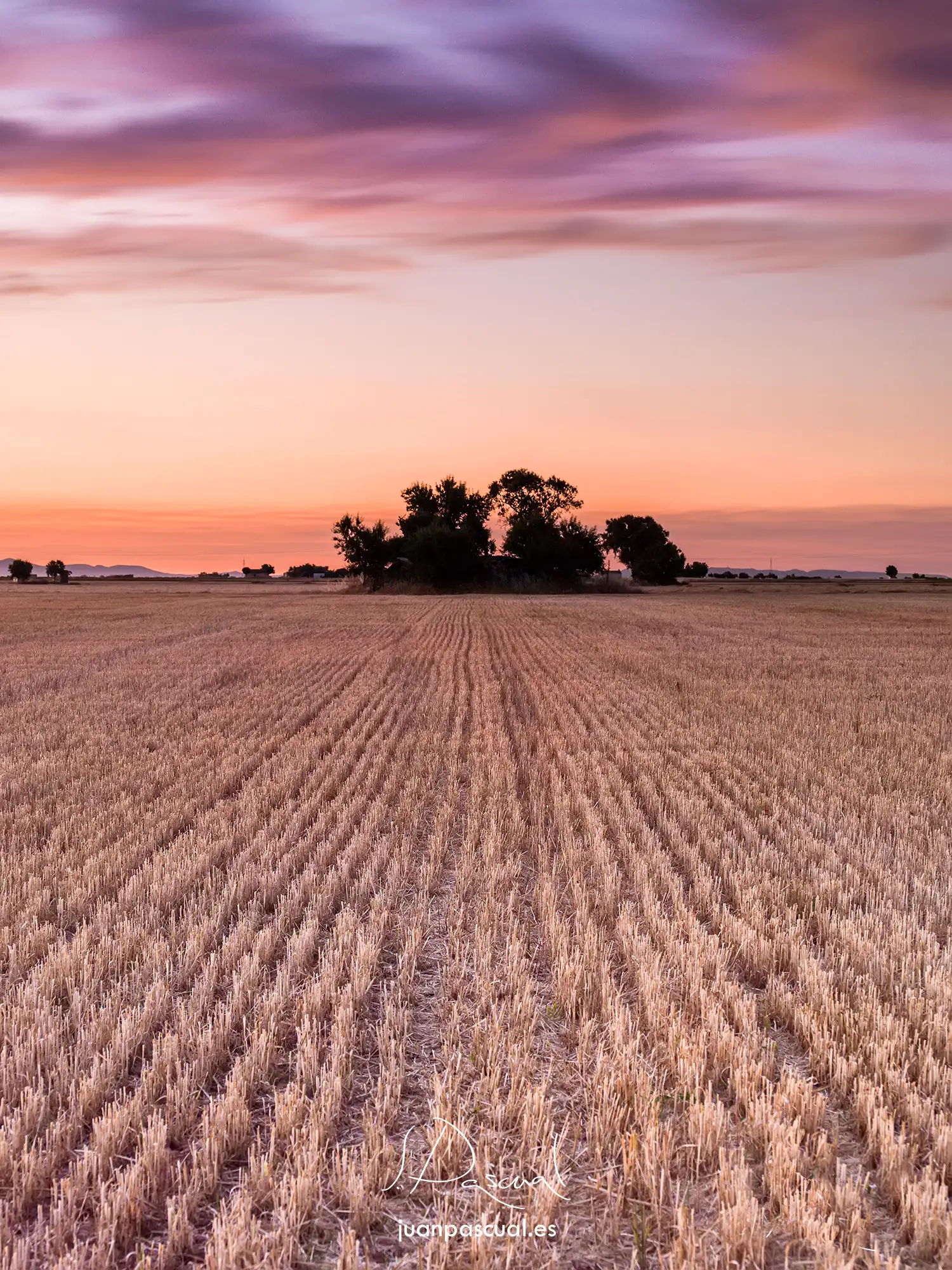
Light is one of the defining elements of landscape photography in La Mancha. At sunrise, it evolves gradually and delicately, transforming the scene without abrupt changes. Cool tones slowly transition into a soft warmth, and it is within this interval that side light begins to reveal the textures of the land—the furrows, the subtle variations in terrain—adding depth and volume to the image.
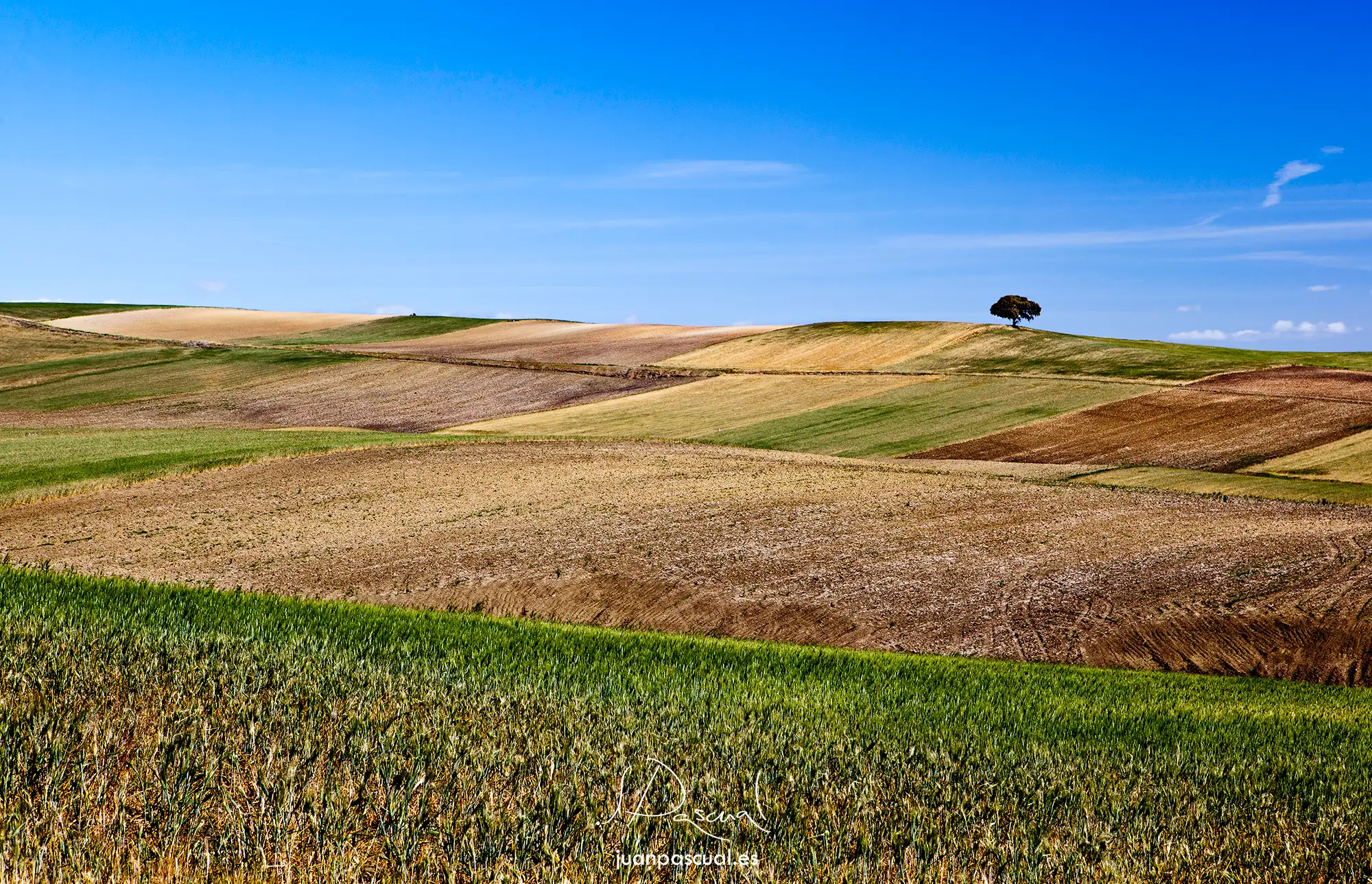
Agricultural fields are central to the identity of the La Mancha landscape. Their transformation throughout the seasons—lush green in spring, golden in summer, earthy tones in autumn—requires an understanding of the territory over time, not just space. Returning to the same locations across different seasons allows for a more coherent and nuanced body of work.
Windmills, as iconic elements of Castilla-La Mancha, present a unique challenge. Their recognizability makes them almost inevitable, yet this calls for a more intentional approach. Rather than isolating them as primary subjects, my aim has been to integrate them naturally within the landscape. Using longer focal lengths allows for a compression of planes, creating a more cohesive relationship between the windmills and their surroundings.
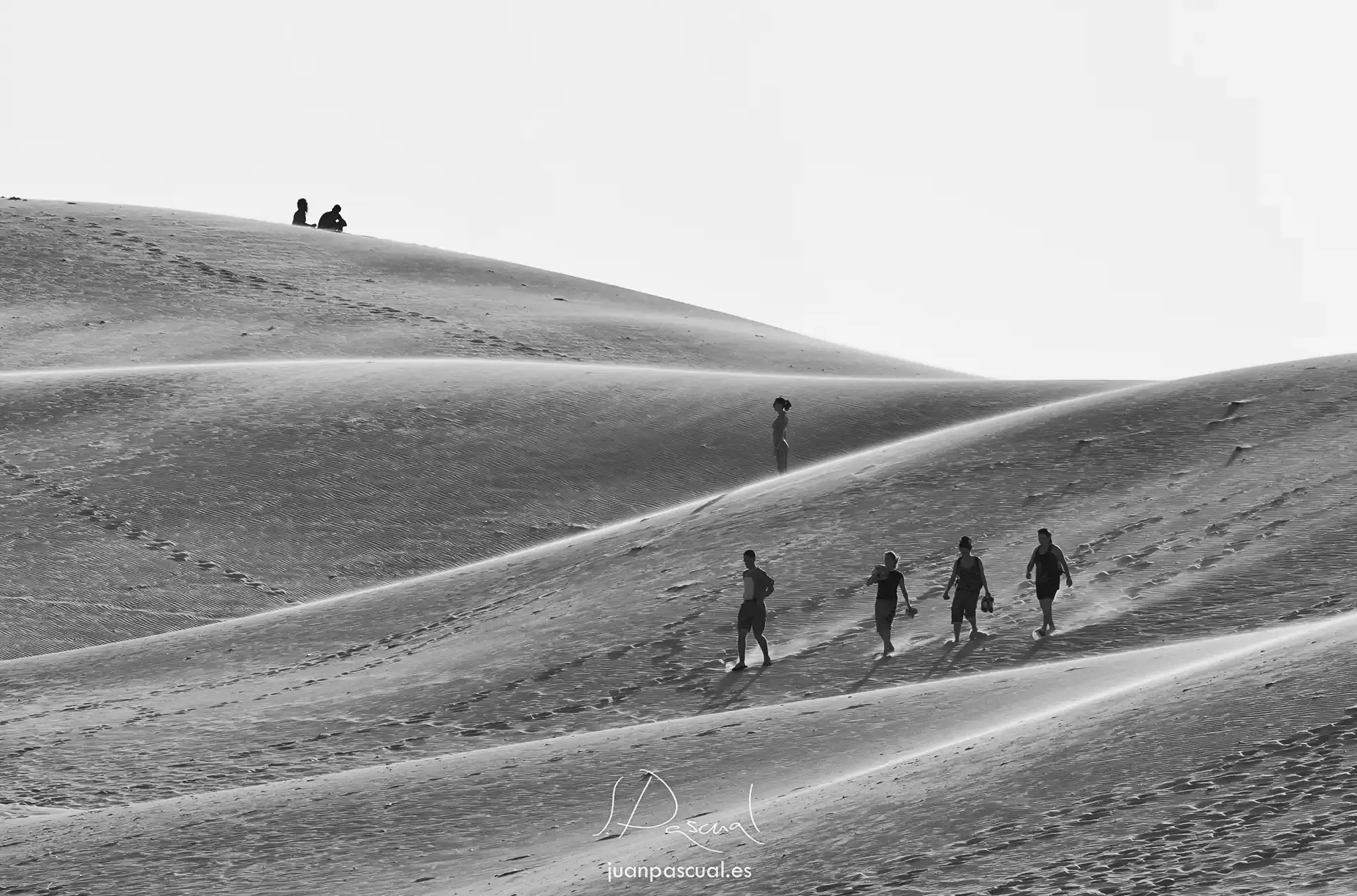
Another important aspect of photographing La Mancha is working with harsh light. While often avoided in other contexts, here it can become a valuable tool. Strong light enhances textures, intensifies contrast, and creates defined shadows that can be used compositionally. When approached with intention, it adds a distinct graphic quality to the image.
Wind also plays a subtle but meaningful role. It introduces movement into the fields and affects the atmosphere of the scene. At times, using slower shutter speeds helps suggest this motion without losing structural clarity, adding another layer of depth to the image.
Photographing La Mancha is ultimately a process of time and observation. It is not a landscape that reveals itself instantly—it requires patience, repetition, and a quiet engagement. Over time, you begin to understand its rhythms, its pauses, and its relationship with light.
This body of work is not about visual impact, but about refinement. It is an exploration of simplicity—reducing elements, clarifying compositions, and working with the essential. In the landscapes of La Mancha, what matters is not what stands out, but what endures: the horizon line, the texture of the land, the repetition of fields, and a light that, without imposing itself, defines everything.