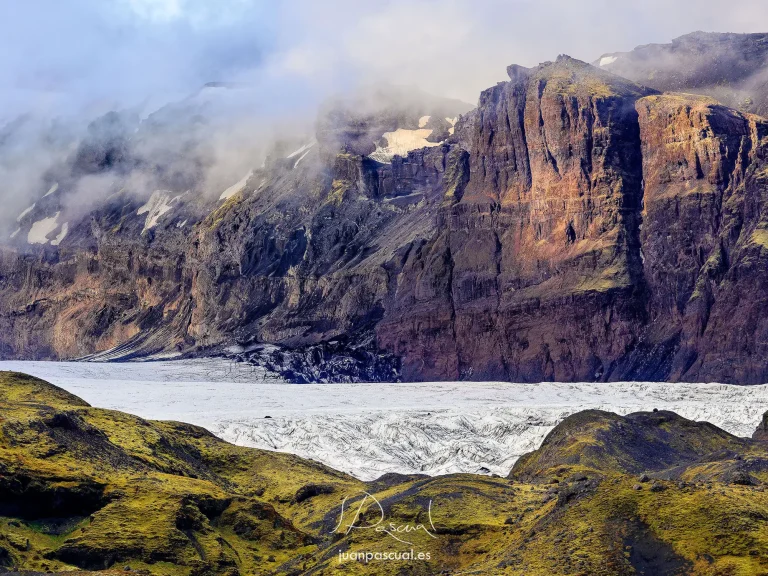
Iceland has been, without a doubt, one of the places that has challenged me most as a landscape photographer. From the very beginning, I realised this wouldn’t be a journey of control, but one of constant adaptation. No matter how carefully you plan a location, the environment ultimately decides the image you walk away with. The weather shifts within minutes, light appears and disappears without warning, and what once felt like a resolved scene can transform completely before you even set up the tripod.
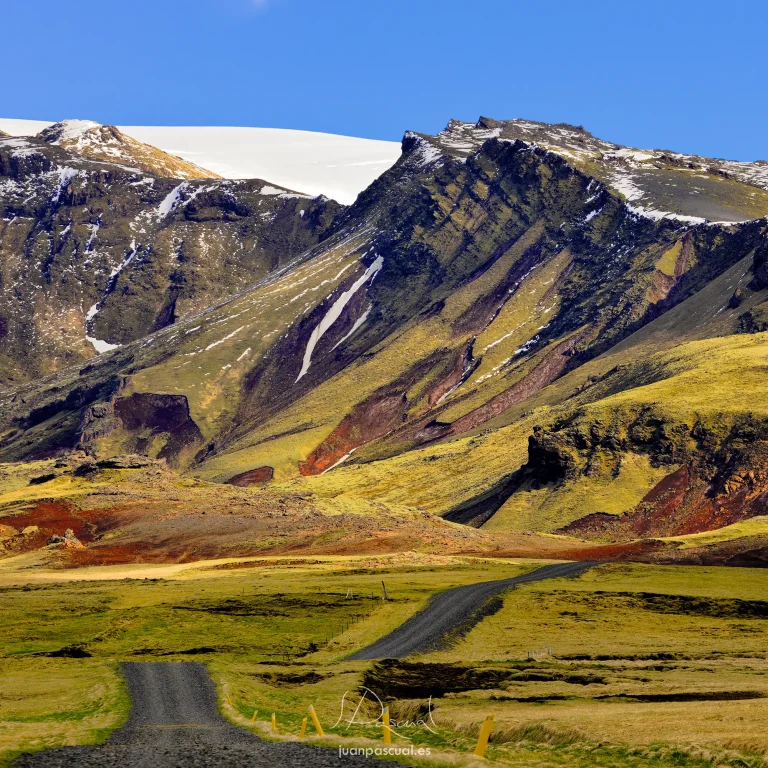
I remember clearly the first time I stood before the moss-covered lava fields. They are visually hypnotic, yet complex to interpret. My instinct, at first, was to search for clarity—order, almost minimalism—but the terrain demanded something else: embracing organic chaos, working with textures and layers rather than clean lines. I began lowering my point of view, getting closer to the ground, allowing the foreground to take the lead and guide the image more intuitively.
Waterfalls became another turning point in my approach. In locations that have been photographed countless times, the challenge is no longer technical, but creative. I made myself slow down—observe before shooting, understand how the water moved, how the light interacted with it. Some days, the wind was so strong that long exposures became impossible, soaking the equipment entirely. In those moments, I had to let go of preconceived ideas and look for something more raw, more direct—images where the force of the water could speak for itself.
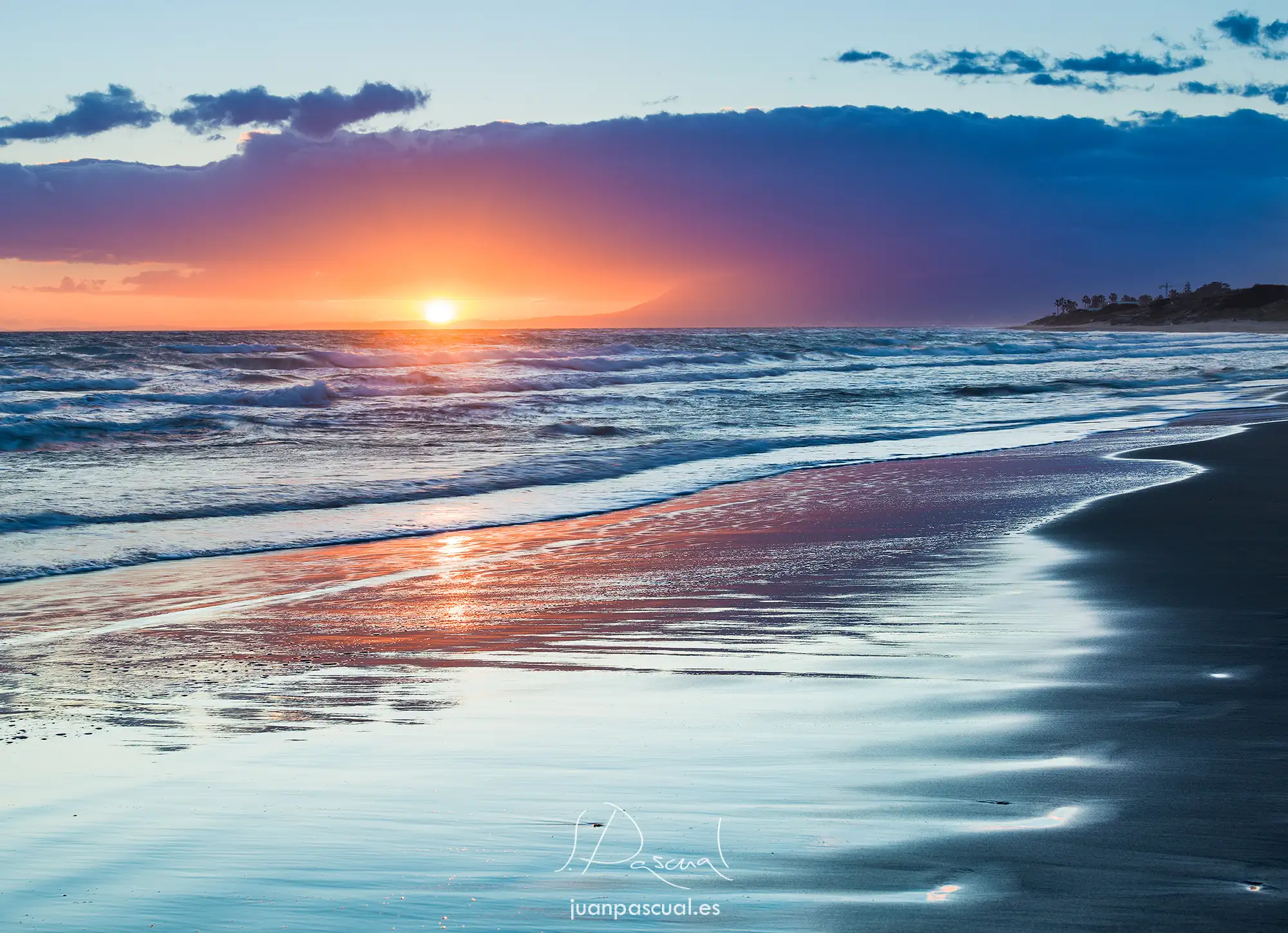
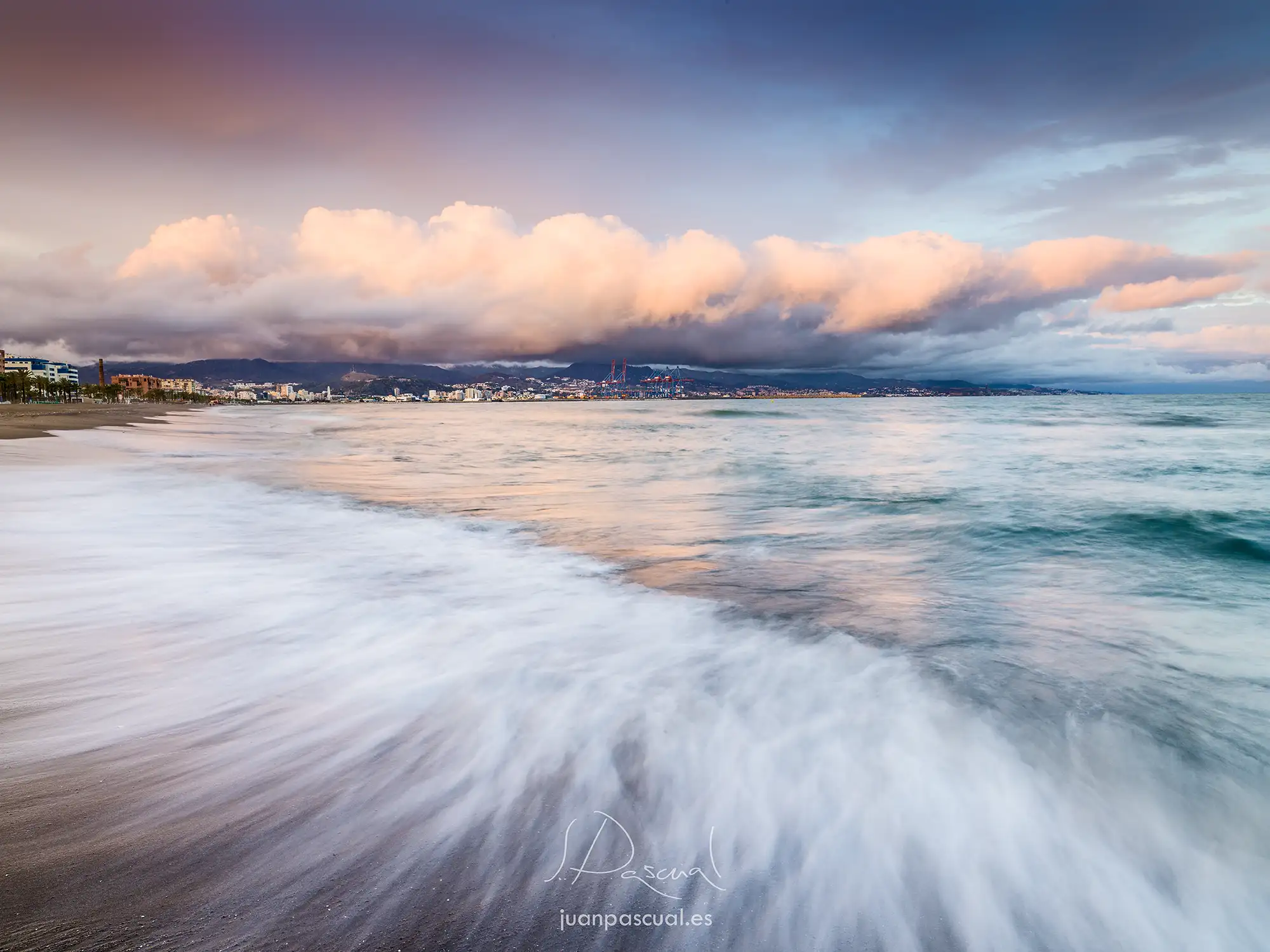
On the black sand beaches, I felt something different: a constant tension. The ocean in Iceland is not decorative—it is powerful and unpredictable. Working there means staying alert at all times, reading the rhythm of the waves while composing. More than once, I had to step back quickly to protect my gear. Yet that same tension translates into images with a strong sense of energy. The basalt formations, with their striking geometry, often reminded me of architectural compositions—something that connects deeply with the way I see photography.
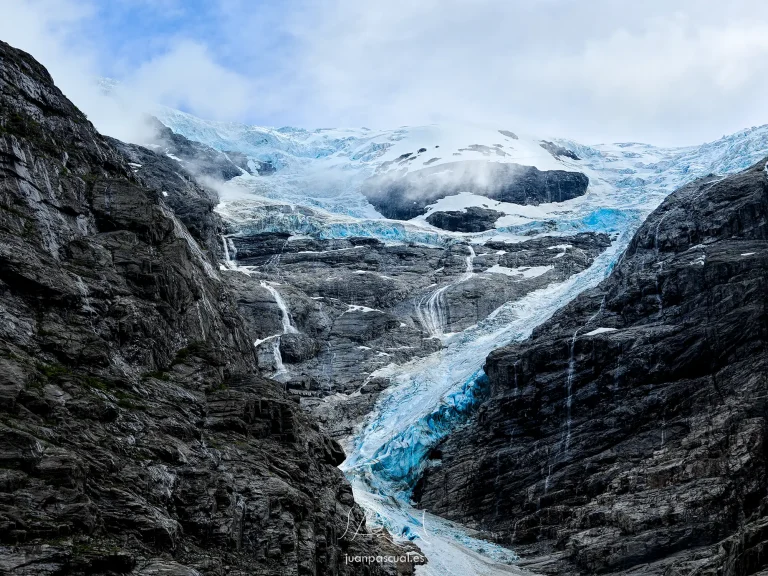
Light, as always, became the thread that ties everything together. There were completely overcast days when the landscape felt flat, almost without contrast, and others when a sudden beam of sunlight would break through the clouds and transform the scene in seconds. I learned not to resist those “difficult” moments, because in Iceland they are part of the process. In fact, many of the images I value most were created under challenging conditions—when I had to engage more deeply with composition and truly read the landscape.
Working in Iceland also required patience. There are places where you know the image is there, but it takes time—waiting for the wind to settle, for the mist to lift, for the light to fall into place. And sometimes, it simply doesn’t happen. That uncertainty is part of the experience, and I believe it’s precisely what gives each photograph greater weight and intention.
In the end, this work is not just a collection of landscapes, but a shift in the way I approach photography. Iceland pushed me to let go of control, to observe more and shoot less, to build images from intuition as much as technique. And above all, it reminded me that landscape photography is not about imposing a vision, but about listening—carefully—to what the place is offering in each fleeting moment.